
Can You Refuse A Breathalyzer In Pennsylvania? What You Need To Know
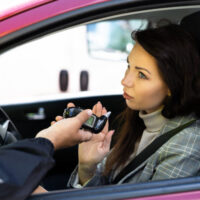
You are pulled over, an officer suspects you have been drinking, and now you are being asked to blow into a breathalyzer. Can you just say no? Technically, yes. But does refusing actually make your situation better? For most drivers, the honest answer is no, and understanding why comes down to a Pennsylvania law most people have never heard of until they are standing on the side of the road facing this exact choice.
Pennsylvania’s Implied Consent Law Explained
Under 75 Pa.C.S. Section 1547, anyone who drives on a Pennsylvania road is considered to have already given consent to chemical testing, whether by breath, blood, or urine, if a police officer has reasonable grounds to believe they were driving under the influence. This is called implied consent, and the idea behind it is straightforward. Simply by holding a driver’s license and using it to drive in Pennsylvania, you have already agreed to this testing as a condition of that privilege. This consent applies specifically after a lawful DUI arrest. A roadside portable breath test offered before an arrest is different and generally voluntary, with no automatic penalty for declining it.
What Actually Happens If You Refuse
Refusing a post-arrest chemical test does not make the situation disappear. Instead, it triggers a separate set of consequences handled by PennDOT through an administrative process, entirely apart from whatever happens in your criminal DUI case. These consequences apply even if you are never convicted of DUI, and even if the underlying DUI charge is eventually dismissed. A few of the direct consequences of refusal include:
- A mandatory license suspension of 12 months for a first refusal
- An 18 month suspension for a second or subsequent refusal
- Civil penalties and fines that can reach up to $2,000
- Treatment as if you had the highest tier BAC offense for sentencing purposes if you are convicted of the underlying DUI
- The refusal itself being used as evidence against you at trial
That last point often surprises people the most. Prosecutors can and do argue in court that a refusal suggests someone had something to hide about their level of intoxication, which can make defending the underlying DUI charge more difficult, not less.
Why Refusal Rarely Works Out the Way People Hope
The instinct to refuse often comes from an assumption that no test result means no evidence. In practice, a refusal simply swaps one problem for a different, often more severe, set of problems. You lose your license for a longer period than many first time DUI convictions carry on their own, you face separate fines, and prosecutors gain an additional argument to use against you in the criminal case itself. None of this means refusal is never worth considering, but it is a decision with real consequences on both sides, not a way of avoiding the situation altogether.
Let Us Help You Moving Forward
Whether you submitted to testing or refused, the decisions made in the hours after a DUI stop can shape the rest of your case. Our Pittsburgh DUI defense attorneys at the Law Offices of Gary E. Gerson understand how implied consent law interacts with a criminal DUI case and what options may be available to you.
Facing charges? Contact us today for help.
Source:
legis.state.pa.us/cfdocs/legis/LI/consCheck.cfm?txtType=HTM&ttl=75&div=0&chpt=15
