

The 7-OH Crisis In Pittsburgh Continues
A repeating pattern in the history of society’s favorite intoxicating substances is that proponents claim that a newly introduced substance is a safe alternative to another one that has long-standing popularity and well documented risks. For example, when coffee was introduced to Europe in the 16th century, it gained a reputation as a social drink that was less hazardous to drinkers’ health and to public morality than alcohol. The movement to decriminalize cannabis gained steam when opioid abuse was wreaking havoc on society; an increasing number of voters and lawmakers believed that it was less harmful for people to manage chronic pain, nausea, or anxiety with cannabis than with other illegal drugs, since there are no fatal cannabis overdoses on record. Another substance that isn’t not a hard drug, but which occupies ambiguous legal and pharmacological status is kratom. Most of the controversy surrounds a kratom derivative known as 7-hydroxymitragynine (7-OH), which is stronger than whole kratom leaves and has recently caused a surge of accidental overdoses in western Pennsylvania. If you are facing criminal charges related to kratom or 7-OH, contact a Pittsburgh drug crime lawyer.
Why Is 7-OH So Dangerous?
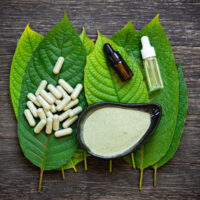
In general parlance, kratom refers to the leaves of the Mitragyna speciosa tree that grows in Southeast Asia. For centuries, people have consumed beverages made of these leaves as part of traditional medicine. Kratom use in the U.S. tends to take the form of smoking the leaves or consuming pill capsules filled with powdered kratom leaves. 7-OH is only one of the psychoactive compounds in kratom leaves, and it occurs naturally in the leaves in small concentrations.
In the past several years, supplement manufacturers have started to market pills that contain much higher doses of 7-OH than one would find in pills filled with powdered whole leaves. Instead, they distill the kratom powder until the product contains high levels of 7-OH. These pills carry a greater risk of adverse effects such as respiratory depression.
In the News
Western Pennsylvania is getting a reputation as a hot spot for 7-OH abuse. Perhaps abuse is the wrong term, because frequent users of 7-OH pills tend to buy them legally from smoke shops, and they are transparent about the fact that they are seeking out 7-OH for pain management. Retailers report that most customers who frequently buy 7-OH are above the age of 40 and have a history of participating in drug rehab, are medical cannabis card holders, or both. You could think of 7-OH as the poor man’s suboxone. In the past year, 18 people have suffered accidental overdoses on 7-OH serious enough to require hospitalization. From a legal standpoint, a danger of 7-OH is that supplements are poorly regulated, especially the ones sold online, so your ostensibly legal pills could be mixed with illegal and dangerous substances.
Contact Gary E. Gerson About Criminal Defense Cases
A criminal defense lawyer can help you if you are facing criminal charges related to substances that blur the line between legal supplements and illicit drugs. Contact the law offices of Gary E. Gerson in Pittsburgh, Pennsylvania about your case.
Source:
keystonenewsroom.com/2025/12/04/pennsylvania-health-officials-warn-of-stronger-substance-sweeping-the-drug-market/